 By Admin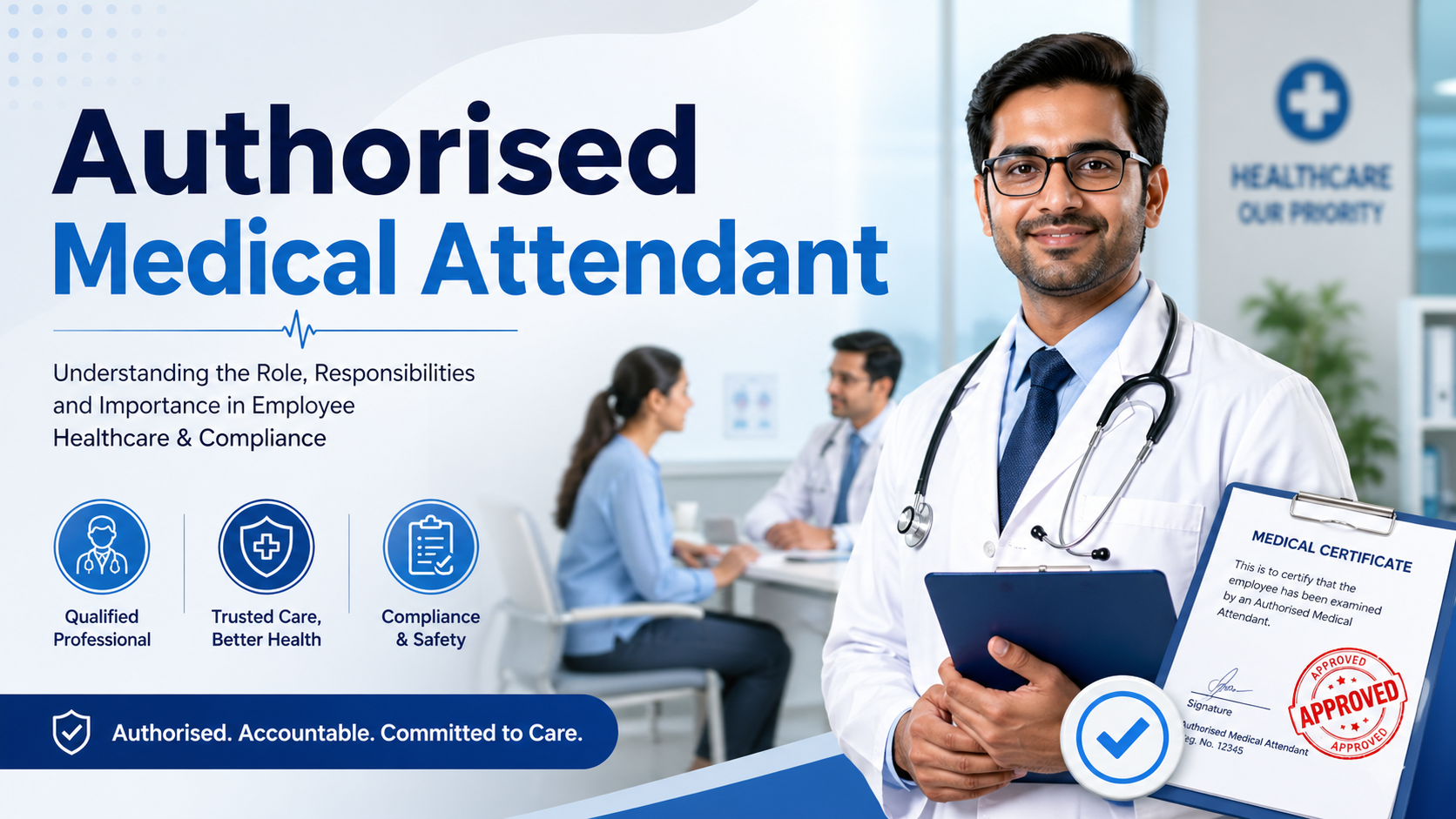
An authorised medical attendant is a doctor or medical practitioner officially approved by a government department, public body, university, corporation, or organization to provide medical care to employees and, in many cases, their eligible family members.
Sounds like a formal term, right? It is. But the idea behind it is simple: when an employee gets sick, the organisation wants the treatment, medical certificate, referral, and reimbursement process to come from a trusted and approved medical person.
In official medical attendance rules, the term is often written as Authorised Medical Attendant, Authorized Medical Attendant, or simply AMA. The spelling may change, but the purpose is almost the same.
What Is an Authorised Medical Attendant?
An authorised medical attendant is not just any doctor you visit randomly. It is usually a doctor appointed, nominated, or approved under certain service rules.
For example, the Central Services Medical Attendance Rules, 1944 define an authorised medical attendant based on the government servant’s category and the medical officer appointed to attend officers in that district or station. These rules also explain that medical attendance may include hospital attendance, residence visits in some cases, diagnostic tests, and specialist consultation when certified as necessary by the AMA.
In simple words, an authorised medical attendant can:
- Examine the patient
- Prescribe treatment
- Recommend tests
- Refer the patient to a specialist
- Certify medical necessity
- Help support reimbursement claims
- Issue required medical certificates
And yes, that certificate matters a lot. Sometimes one missing certificate can delay the whole claim.
Why Is an Authorised Medical Attendant Important?
The authorised medical attendant acts like a bridge between the patient and the organisation’s medical benefit system.
Without an approved medical authority, many departments may not accept medical bills, test charges, hospital expenses, or leave-related medical documents. Under the CS(MA) Rules, a government servant can be entitled to medical attendance by the authorised medical attendant, and reimbursement may require a written certificate from that attendant.
So, the AMA protects both sides.
For the employee, it helps prove that the treatment was real, necessary, and covered under rules.
For the organisation, it reduces fake claims, unclear bills, and unnecessary spending.
A bit strict? Maybe. But in large offices and government systems, rules are needed. Otherwise, medical claims can become messy very quickly.
Main Duties of an Authorised Medical Attendant
The role of an authorised medical attendant can vary by country, department, or organisation. Still, most AMAs perform some common duties.
| Area | What the Authorised Medical Attendant Does |
|---|---|
| Medical check-up | Examines the patient and gives medical advice |
| Prescription | Prescribes medicines and treatment |
| Diagnosis | Recommends lab tests, scans, or other checks |
| Referral | Sends the patient to a specialist if needed |
| Certification | Gives written certificates for treatment or reimbursement |
| Hospital advice | Recommends admission when the case is serious |
| Claim support | Helps verify that expenses were medically necessary |
In some public-sector rules, medical attendance includes consultation at the clinic of an authorised medical attendant or at an approved hospital, plus diagnostic methods and specialist consultation when the AMA certifies it as necessary. The Trading Corporation of Pakistan’s medical attendance rules also define an authorised medical attendant as a registered medical practitioner appointed by the corporation to attend employees and their families.
Who Can Be an Authorised Medical Attendant?
Usually, an authorised medical attendant is one of the following:
- A government medical officer
- A doctor posted in a government hospital
- A registered medical practitioner approved by the organisation
- A panel doctor
- A specialist appointed under the rules
- A doctor from an approved hospital or clinic
Some organisations are very specific about qualifications. For example, Ambedkar University Delhi’s medical regulations define an Authorized Medical Attendant as a qualified registered medical practitioner with recognized medical qualifications not below MBBS in allopathy, or an equivalent qualification in homoeopathy or Indian systems of medicine, including a specialist appointed by the university.
So, the key point is this: the doctor must be approved under the relevant rules. A good doctor is not automatically an AMA unless the department accepts them as one.
Authorised Medical Attendant and Medical Reimbursement
This is where most people search for this term.
Medical reimbursement means the employee first pays for treatment and then claims the amount back from the office, department, or organisation. But the claim usually needs proof.
That proof may include:
- Original bills
- Doctor’s prescription
- Lab test reports
- Hospital discharge summary
- Medicine receipts
- Referral letter
- Certificate from the authorised medical attendant
- Claim form signed by the employee
- Approval from the department, if required
The CS(MA) Rules mention that treatment may include medical and surgical facilities, diagnostic methods, medicines, nursing, accommodation, and specialist consultation, but they also exclude things such as diet or superior accommodation requested by the employee.
And this is where people often make mistakes. They think every medical expense will be accepted. Not always. Some items may be outside the rules.
Common Situations Where an AMA Is Needed
You may need an authorised medical attendant in many practical situations.
For example:
- You need medical leave due to illness
- You want to claim medical reimbursement
- You need a specialist referral
- You need hospital admission approval
- You need treatment at an approved hospital
- You need proof that certain medicines were essential
- You need a certificate that travel was unsafe without an attendant
- You need confirmation for long-term treatment
In serious cases, the AMA’s written opinion can make the process smoother. Without it, the department may ask more questions, delay the claim, or reject part of the expense.
Difference Between a Normal Doctor and an Authorised Medical Attendant
A normal doctor treats you. An authorised medical attendant treats you and has official value under the rules.
That’s the real difference.
| Normal Doctor | Authorised Medical Attendant |
|---|---|
| Can treat patients | Can treat approved employees/patients |
| May issue prescription | Can issue accepted medical certificates |
| May not be accepted for claims | Usually accepted for reimbursement process |
| No official link with employer | Approved by department or organisation |
| Good for general treatment | Required for rule-based medical benefits |
So, if your office rules require an AMA, visiting a random private doctor may create problems later. Even if the treatment was genuine.
Benefits of an Authorised Medical Attendant System
The system may look old-fashioned, but it has real benefits.
For employees:
- Easier claim approval
- Clear medical guidance
- Better record of treatment
- Proper referral to specialists
- Less confusion about covered treatment
For organisations:
- Better control over medical expenses
- Less chance of false claims
- Standard treatment process
- Clear documentation
- Easier audit and verification
And for families, especially dependents, it can be helpful. Many rules allow medical care for spouse, children, and sometimes dependent parents or other family members, depending on the organisation’s policy.
Common Mistakes People Make
A lot of medical claims get delayed due to small mistakes. Small, but costly.
Avoid these:
- Visiting a non-approved doctor without checking rules
- Losing original bills
- Taking treatment from a non-panel hospital when panel treatment is required
- Not getting a referral before specialist treatment
- Submitting unclear prescriptions
- Claiming non-covered items
- Forgetting the AMA certificate
- Delaying claim submission for too long
But here’s the thing… rules are different everywhere. One department may allow something, another may reject it. So always check your own office medical rules before treatment, especially for expensive care.
How to Use AMA Services Properly
Here’s a simple process:
- Check your organisation’s medical rules
Find out whether you must visit a panel doctor, government hospital, or approved clinic. - Visit the authorised medical attendant
Take your employee card, health card, or service details if required. - Keep all documents
Save prescriptions, bills, reports, and receipts. - Ask for a referral if needed
Don’t visit a specialist first if your rules require AMA approval. - Submit the claim correctly
Attach all required forms and certificates. - Follow up politely
If the claim is delayed, ask which document is missing.
Final Thoughts
An authorised medical attendant may sound like a technical government term, but it plays a very practical role. It helps employees get proper treatment, supports medical reimbursement, and gives organisations a clear way to verify claims.
The most important advice? Don’t wait until you are sick to understand the rules. Check your office policy now. Know who your authorised medical attendant is. Know which hospital is approved. Keep copies of every medical paper.
Because when illness comes, paperwork is the last thing anyone wants to fight with.