 By Admin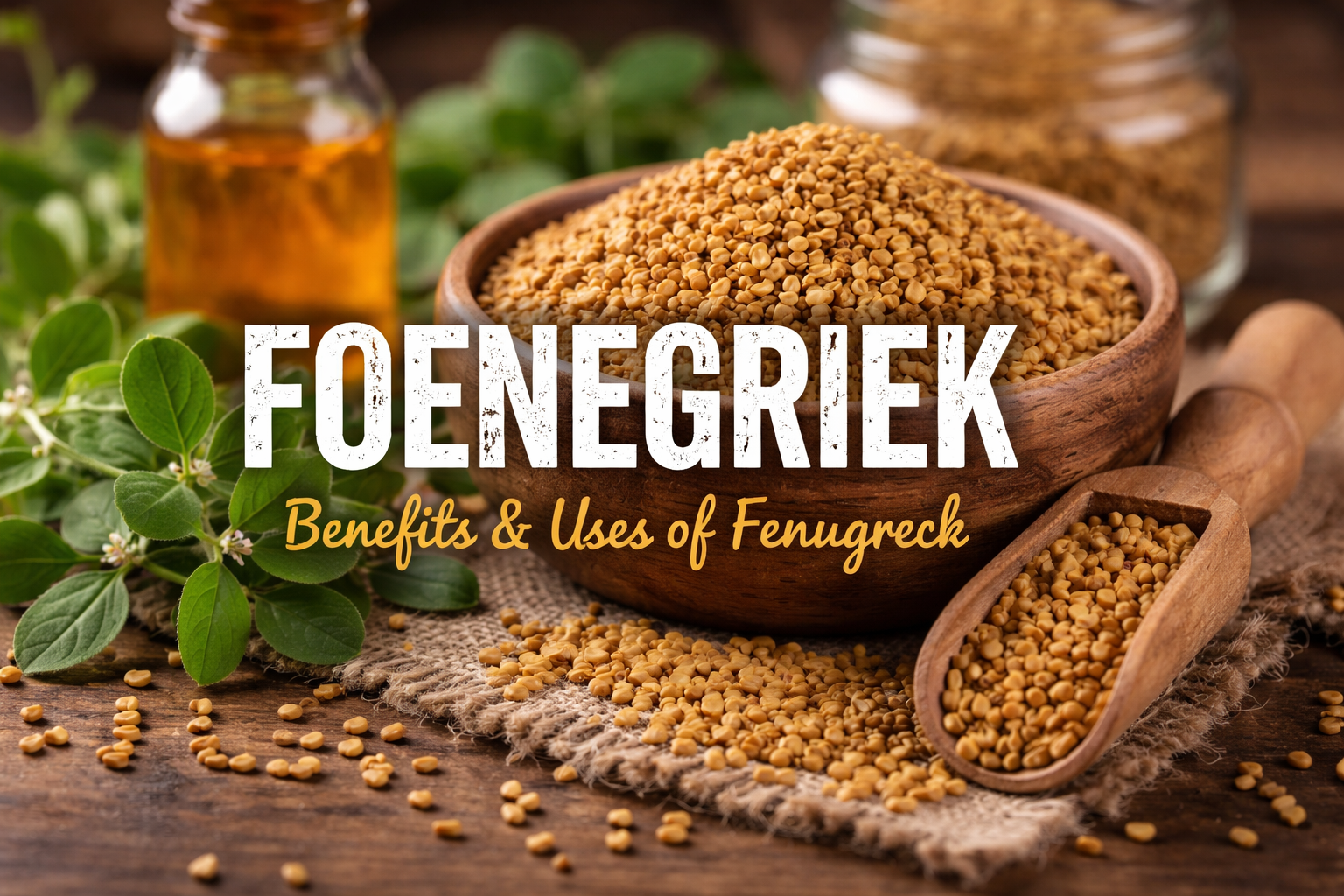
So… foenegriek.
You’ve probably seen the word somewhere — maybe on a spice packet, maybe in a health blog, maybe your mom or grandma mentioned it casually like it’s no big deal. And yet… it kind of is.
Because this tiny seed? It shows up in kitchens, home remedies, old traditions… all over the place. Quietly doing its thing.
And honestly, once you start paying attention to it — you realize it’s been around you longer than you thought.
First Things First — What Is Foenegriek?
Foenegriek is just another name for fenugreek. In South Asia, people usually call it methi. Same plant, different names, same slightly bitter personality.
It comes from a small leafy plant, but the real magic (or hype… depends how you see it) is in the seeds.
They’re:
- Yellowish-brown
- Hard
- A little… weird tasting at first
Like, bitter — but then kinda sweet? Hard to explain.
Why Do People Even Use It?
Good question.
Because it’s not exactly delicious on its own. You don’t just snack on foenegriek seeds like peanuts.
But people still use it — a lot. And not just for flavor.
There’s this whole mix of:
- Traditional beliefs
- Actual nutrition
- And some modern research backing a few things
It’s one of those “old remedies that science is slowly catching up to” situations.
Let’s Talk Nutrition (Without Making It Boring)
Okay, quick breakdown. Nothing fancy.
| Nutrient | Why It Matters (In Real Life) |
|---|---|
| Fiber | Helps your stomach not act weird |
| Iron | Important if you feel tired a lot |
| Protein | Small amount, but still counts |
| Magnesium | Good for muscles, nerves |
| Plant compounds | The “hidden” benefits people talk about |
Not bad for something that looks like bird food, right?
The Benefits — Real Talk Version
Now here’s where things get interesting… and slightly confusing.
Because some benefits are real. Some are maybe. And some are just passed down through generations.
Let’s go one by one.
1. Blood Sugar — This One’s Actually Talked About A Lot
A lot of people use foenegriek for blood sugar control.
Especially:
- People with diabetes
- People trying to avoid sugar spikes
And yeah… some studies suggest it helps.
But — and this matters — it’s not a replacement for actual treatment. More like a support thing.
2. For New Mothers (This One’s Pretty Popular)
If you ask around, especially in desi households…
You’ll hear this quickly:
“Foenegriek helps with milk production.”
And a lot of mothers swear by it.
Usually taken as:
- Tea
- Soaked seeds
- Or mixed in food
Does it work for everyone? Not really.
But enough people believe in it that it’s still widely used.
3. Hormones & Men’s Health (Yeah, This Comes Up Too)
This one surprises people.
Some research suggests foenegriek might:
- Support testosterone levels
- Help with energy and strength
Now… don’t expect miracles.
But it’s one reason you’ll see it in some supplements.
4. Digestion — The Old-School Use
This is probably one of the oldest uses.
People take it for:
- Bloating
- Gas
- Slow digestion
And honestly… that bitter taste? It kinda makes sense. Bitter foods often help digestion.
5. Cholesterol & Heart Stuff (Still Unclear)
There are claims that foenegriek helps lower cholesterol.
Some studies say yes… some say “maybe.”
So yeah — still in that gray area.
How People Actually Use Foenegriek (Day-to-Day Stuff)
This is where things get practical.
Because nobody’s sitting there reading research papers while eating seeds.
People just… use it.
Common Ways:
- Soaked seeds in the morning
- Powder mixed in water or milk
- Added to curries (this one tastes way better)
- Herbal tea
- Capsules (for people who hate the taste)
Simple Ideas You Can Try
- Soak 1 teaspoon overnight — drink the water in the morning
- Add a pinch to daal or curry
- Mix powder with honey (helps with the bitterness… a bit)
- Use it in homemade hair masks (random, but popular)
The Taste… Yeah, We Should Talk About That
Not everyone likes it.
Actually… a lot of people don’t at first.
It’s:
- Bitter
- Slightly nutty
- And oddly sweet aftertaste
Kind of strange. But you get used to it.
Or you just hide it in food — which is what most people do.
Pros and Cons (No Sugarcoating)
👍 Pros
- Natural and easy to find
- Used for generations (that counts for something)
- Multiple potential benefits
- Cheap compared to supplements
👎 Cons
- Taste isn’t great
- Can upset your stomach if overused
- Might lower blood sugar too much
- Takes time — no instant results
And yeah… weird one:
Some people say it makes your sweat smell slightly sweet.
Not joking.
Different Forms — Which One Is Better?
| Type | Best For | Reality |
|---|---|---|
| Seeds | Traditional use | Strong taste |
| Powder | Easy mixing | Still bitter |
| Capsules | Convenience | No taste at all |
| Tea | Routine use | Mild but noticeable |
Honestly… it depends on how much you can tolerate the taste.
A Little Cultural Context (Because It Matters)
Foenegriek isn’t some new internet trend.
It’s been used in:
- Indian cooking
- Middle Eastern food
- Traditional medicine systems
For a long, long time.
Way before “superfoods” became a thing.
Any Side Effects?
Yeah, a few.
Nothing too scary in normal amounts, but still:
- Stomach discomfort
- Diarrhea (if you overdo it)
- Blood sugar dropping too low
So… don’t go overboard thinking more = better.
So, Should You Use Foenegriek?
Honestly?
It depends.
If you’re curious — try it.
If you hate bitter things — maybe go slow.
If you expect instant results — you’ll probably be disappointed.
It’s more of a slow, background kind of thing.
Final Thoughts (Just Keeping It Real)
Foenegriek isn’t flashy. It doesn’t promise crazy transformations.
It’s simple. Old. A bit rough around the edges.
But it’s stuck around for a reason.
And sometimes… that says more than any modern trend ever could.
 Want to read more like this? Check out picada for more interesting articles.