 By Admin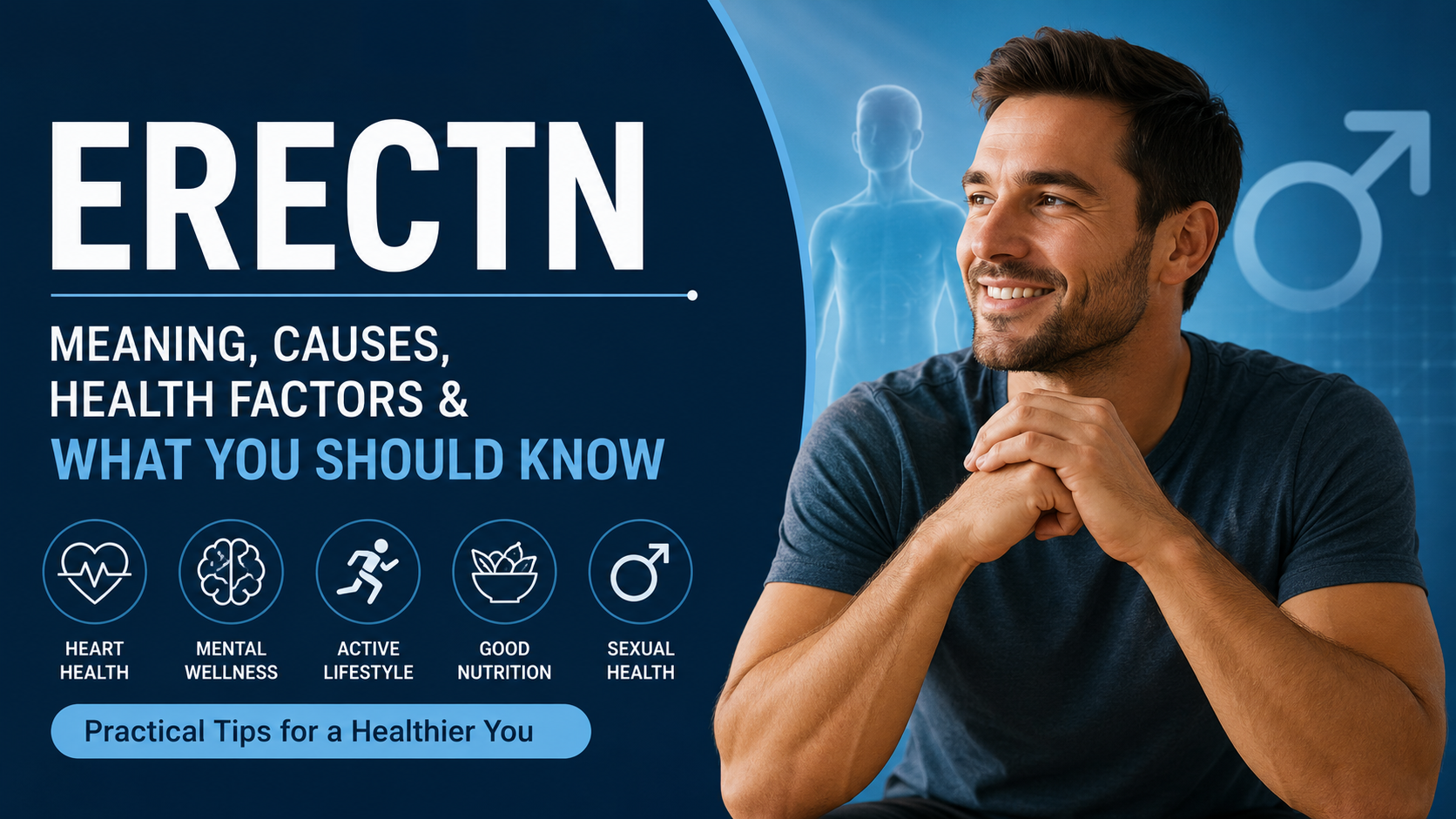
The word Erectn has been appearing online more frequently, and many people wonder what it actually means. In most cases, Erectn is used as a shortened or alternative spelling related to the word erection or erect. Depending on the context, it can refer to a physical state of the body, an upright position, or even the construction and raising of structures.
But when people search for Erectn today, they’re usually looking for information related to male sexual health and erectile function.
Let’s break it down in simple language.
What Does Erectn Mean?
The term comes from the word erect, which generally means standing upright, raised, or firm. In medical discussions, it often refers to the physiological process where erectile tissue becomes enlarged and rigid because of increased blood flow.
In everyday conversations, Erectn is commonly associated with:
- Male sexual health
- Erectile function
- Blood flow and circulation
- Reproductive wellness
- Physical and psychological health factors
And while it might seem like a simple topic, there’s actually quite a lot going on behind the scenes.
How an Erection Happens
An erection is not controlled by just one part of the body.
It’s a combination of:
- Brain signals
- Hormones
- Nerves
- Blood vessels
- Emotional state
When a person becomes sexually stimulated, signals from the brain trigger increased blood flow into the penis. As blood fills specialized tissues, the penis becomes firm and enlarged. This process requires healthy blood vessels, proper nerve function, and normal hormone activity.
If any part of this system isn’t working properly, erection problems may occur.
Common Factors That Affect Erectn
Many people assume erection issues only affect older men.
That’s not really true.
Medical experts note that men of various ages can experience temporary or ongoing erectile difficulties.
Here are some of the most common contributing factors:
| Physical Factors | Mental & Emotional Factors |
|---|---|
| High blood pressure | Stress |
| Diabetes | Anxiety |
| Heart disease | Depression |
| Obesity | Relationship issues |
| Smoking | Performance worries |
| Hormonal imbalance | Emotional fatigue |
Often it’s a mix of both physical and psychological causes rather than a single issue.
Signs That Something May Be Wrong
Occasional difficulties happen to almost everyone.
But persistent problems may indicate an underlying condition.
Common signs include:
- Difficulty getting an erection
- Trouble maintaining an erection
- Reduced sexual desire
- Changes in confidence during intimacy
- Increased anxiety about sexual performance
If these symptoms continue over time, healthcare professionals generally recommend medical evaluation.
Lifestyle Habits That Support Healthy Erectn
The good news?
Many lifestyle changes that improve overall health can also support erectile function.
Some of the most effective habits include:
1. Regular Exercise
Physical activity helps improve blood circulation throughout the body.
Better circulation often means better erectile health.
Even moderate activities such as walking, cycling, or swimming can make a difference over time.
2. Healthy Eating
A balanced diet supports heart health, and heart health is closely connected to erectile function.
Foods often recommended include:
- Fruits
- Vegetables
- Whole grains
- Lean proteins
- Healthy fats
3. Managing Stress
Stress affects hormone levels, sleep quality, and mental focus.
And yes… it can affect sexual performance too.
Activities like meditation, exercise, hobbies, and proper rest may help reduce stress levels.
4. Better Sleep
Sleep is often overlooked.
Yet it plays a major role in hormone regulation and overall physical recovery.
Poor sleep patterns have been linked with reduced sexual wellness in many individuals.
The Link Between Heart Health and Erectn
Here’s something many people don’t realize.
The blood vessels involved in erections are relatively small.
Because of that, circulation problems may show up as erectile difficulties before other symptoms become noticeable.
Researchers and healthcare organizations frequently point out that erectile dysfunction can sometimes be associated with cardiovascular health concerns.
That doesn’t mean every erection issue signals heart disease.
But it does mean that paying attention to overall health matters.
A lot.
Myths About Erectn
The internet is full of misinformation, so let’s clear up a few common myths.
Myth 1: Only Older Men Experience Problems
False.
While risk increases with age, younger men can also experience erectile difficulties.
Myth 2: It’s Always a Psychological Issue
Not necessarily.
Physical conditions such as diabetes, high blood pressure, and circulation problems can contribute significantly.
Myth 3: Occasional Problems Mean Something Is Seriously Wrong
Not always.
Temporary issues can happen due to stress, fatigue, illness, or other short-term factors.
Myth 4: Nothing Can Be Done About It
Definitely false.
Modern healthcare offers many treatment options and lifestyle strategies that can help depending on the underlying cause.
Prevention Tips
While not every issue can be prevented, certain habits may reduce risk.
Consider these practical steps:
- Maintain a healthy weight
- Exercise regularly
- Avoid smoking
- Limit excessive alcohol use
- Get routine health checkups
- Manage blood pressure and blood sugar levels
- Address mental health concerns early
Simple habits often have a bigger impact than people expect.
When Should You See a Doctor?
Many people delay seeking help because they feel embarrassed.
That’s understandable.
But healthcare professionals deal with these concerns every day.
It’s generally a good idea to seek medical advice if:
- Symptoms persist for several weeks or months
- Erectile issues occur frequently
- You have diabetes or cardiovascular disease
- Sexual health problems are affecting relationships or quality of life
Early evaluation can sometimes identify underlying conditions that might otherwise go unnoticed.
Final Thoughts
Erectn is a term commonly associated with erection and erectile function, though the word “erect” itself has broader meanings involving upright positioning and construction. In health discussions, however, it usually refers to a complex process involving blood flow, nerves, hormones, and mental wellbeing.
The important thing to remember is that erectile health is closely connected to overall health. Regular exercise, balanced nutrition, quality sleep, and proper medical care can all play a role in supporting healthy function.
And if concerns arise, don’t ignore them. Sometimes the body has a way of signaling that it needs a little extra attention.